Sales and growth
Useful follow-up without becoming the business that sends spam
Continuing a request doesn't mean pursuing someone across every available channel.
URBNBEE editorial team · October 3, 2026 · 2 min
Context gives the message a purpose
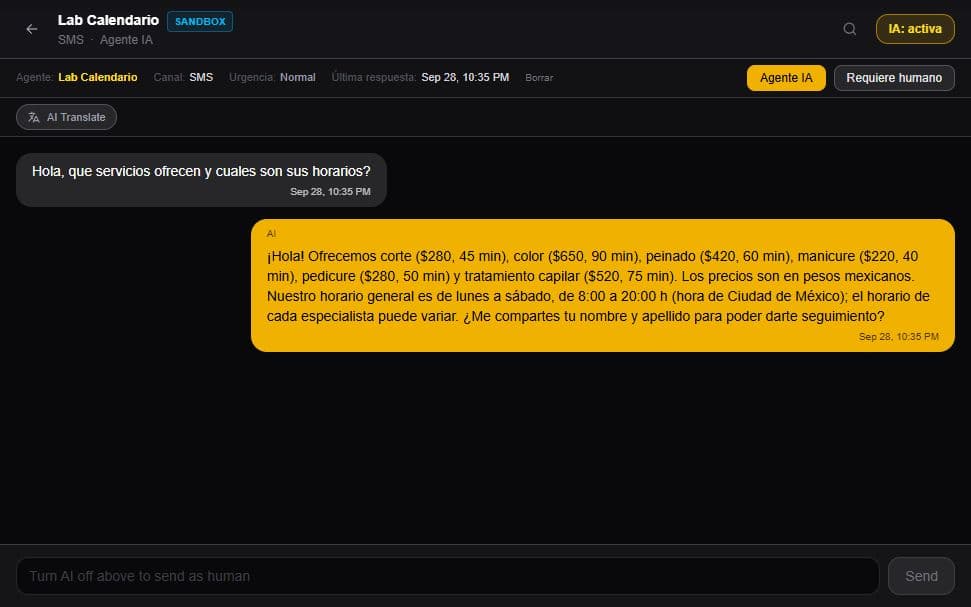
Useful follow-up relates to a recognizable request, agreement or pending issue. Possessing a phone number isn't a sufficient reason to message someone. Customer-initiated service differs from unsolicited campaigns. URBNBEE is not intended for spam or unsolicited mass messaging; review contact consent and the applicable channel rules.
Persistence isn't always service
A fictional customer requested a quote but omitted a measurement. A brief message can explain the missing detail. Repeated reminders, unexplained channel changes or unrelated promotional pressure don't resolve it. Assign tone and review of whether contact remains appropriate. Respect stop requests and the corresponding channel procedure.
Organize existing requests first
Before considering new campaigns, review unanswered requests, unclear orders and pending quotes. An organized inbox and contextual profiles show existing work. Don't assume service tools authorize automatic outbound marketing. Confirm available capabilities, channel limitations and controls before configuring a workflow that may annoy customers.
Put it into practice
- Link contact to a recognizable request or commitment.
- Check consent and channel rules before follow-up.
- Explain pending work without unrelated promotion or pressure.
- Respect stop requests and channel procedures.
- Don't assume an inbox provides automatic outbound campaigns.
The takeaway
Continuity should feel helpful, not intrusive. Serve existing requests before treating every contact detail as a campaign opportunity.
Editorial guidance, not a results promise. Capabilities depend on enabled tools and configuration; business examples are fictional.
Explore with fictional data →