Daily operations
Quotes: let AI collect details and your business decide
A well-prepared request reduces repeat questions without turning an incomplete estimate into a final price.
URBNBEE editorial team · October 3, 2026 · 2 min
Not every service has a catalog price
Painting, maintenance and installation prices may depend on an unexplained scope. An agent shouldn't fill gaps with an invented rate. Define the minimum review details: work type, relevant location, approximate measurements and availability according to your process. Ask only for necessary information and don't present informal estimates as approved proposals.
A complete request is the first outcome
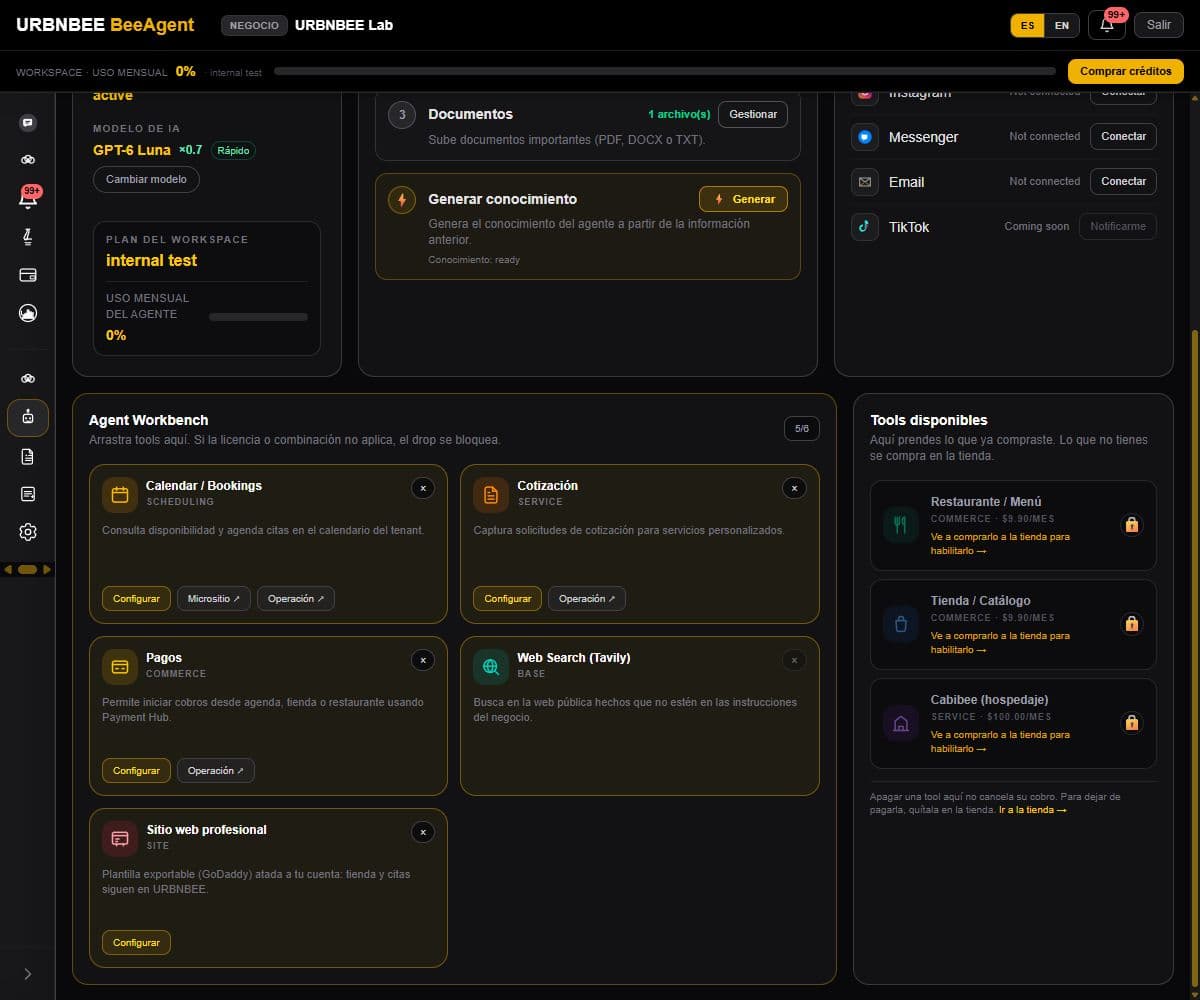
In a fictional example, a customer shares a photo of an office to paint. The agent organizes the request and asks for required details. The team reviews area, preparation and conditions before pricing. BeeAgent quote tools collect requests for human review; a photo doesn't guarantee quoting without a visit or additional checks.
Close the review loop
Assign request ownership, missing-information follow-up and communication of the reviewed proposal. Required visits must follow the booking process. Don't promise a price or date simply to speed up chat. Check that the estimator has clear details and the customer understands review is pending. The next step should be concrete even without a final price.
Put it into practice
- Define minimum details by work type, not a huge generic list.
- Specify when visits or additional checks are necessary.
- Separate requests, estimates and approved proposals.
- Assign scope review and pricing to a person.
- Test handover so estimators receive sufficient context.
The takeaway
Useful automation prepares decisions instead of pretending to make them from insufficient information. Quotes begin with understanding the work and end with a price reviewed by its provider.
Editorial guidance, not a results promise. Capabilities depend on enabled tools and configuration; business examples are fictional.
Explore with fictional data →